
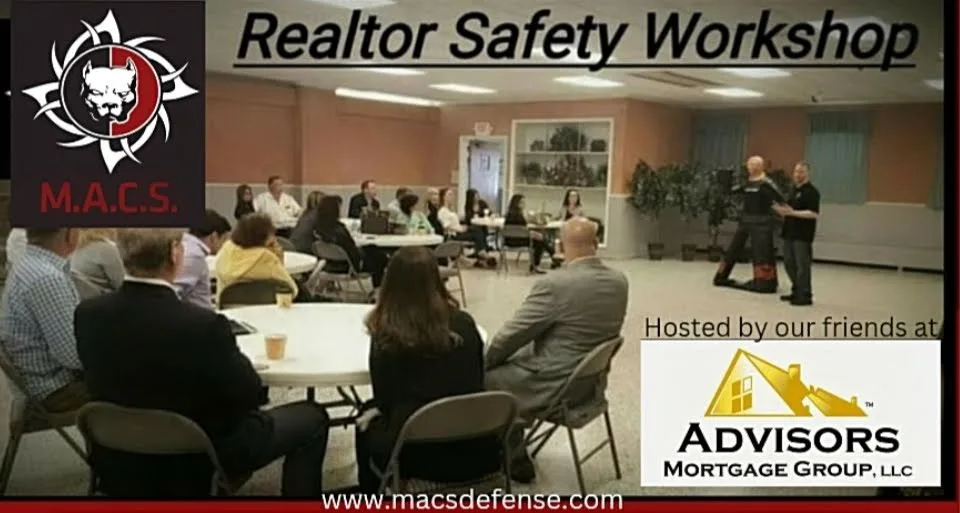
Real estate agents move through unfamiliar spaces every day. Showings, open houses, property visits, and travel between appointments can all require an agent to make quick decisions while working alone. Realtor safety starts with a plan that is practical enough to use before, during, and after every appointment.
Why realtor safety requires more than awareness
Awareness is an important first layer, but it becomes more useful when it is connected to repeatable actions. A safety plan should help an agent recognize changing conditions, communicate clearly, create distance, and leave an unsafe situation early.
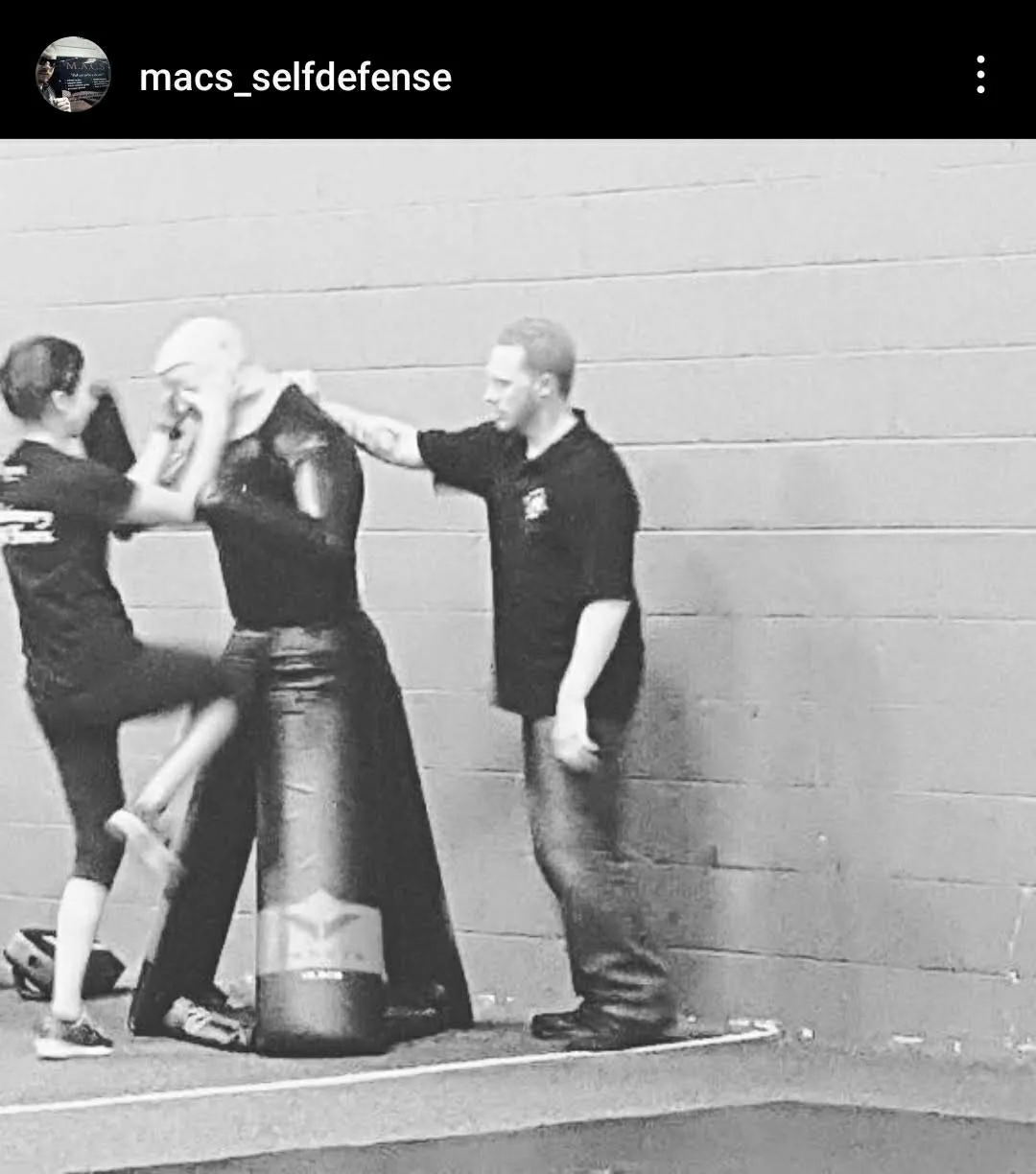
Self-defense training gives agents a chance to practice those decisions before pressure makes them difficult. The goal is not to turn every agent into a fighter. It is to build calm, direct responses that support better judgment when a situation stops feeling routine.
Common situations agents should prepare for
- Meeting a new client at an unfamiliar property
- Working an open house or showing without a colleague nearby
- Moving through a property with limited visibility or more than one entrance
- Driving between appointments while schedules and locations change
- Setting a boundary when a client or visitor ignores a clear instruction
These situations do not automatically mean something is wrong. They do mean that a simple check-in routine, an exit plan, and practiced communication can make a meaningful difference.
What useful self-defense training should teach
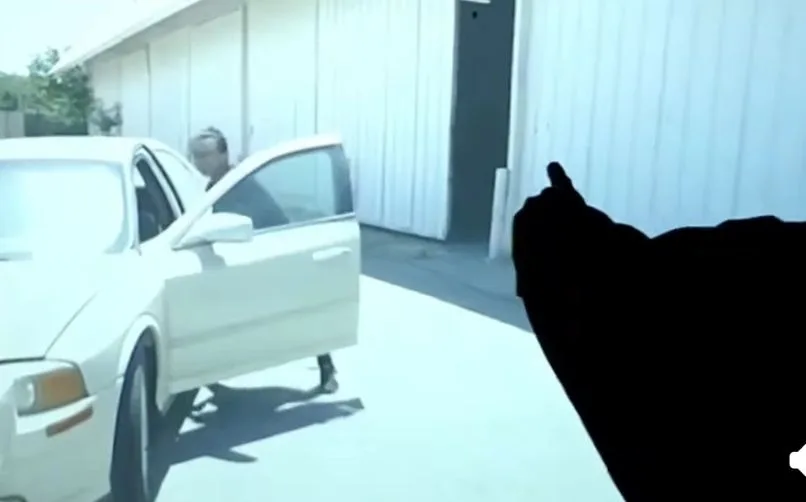
Recognize risk before entering
Training should reinforce the habit of pausing before entering a property, checking the surroundings, and identifying exits. That short pause creates time to notice details that are easy to miss when an agent is focused on the appointment.
Use clear communication
Agents should be able to use a confident voice, set a boundary, and ask for help without overexplaining. Practicing the words and actions together makes them easier to access under stress.
Create distance and leave early
The safest response is often to create space and leave. A practical class should rehearse movement toward an exit, awareness of obstacles, and the decision to end an interaction before it escalates.
Practice in realistic spaces
Realtors do not work on a training mat all day. A useful workshop can be adapted to offices, homes, open-house layouts, parking areas, and other spaces where agents actually meet clients.
Build a safety culture at the office
Individual habits become stronger when an office supports them. Teams can agree on check-in expectations, share location details, use a consistent escalation plan, and make it normal to end an appointment when something feels wrong.
Organizations such as the National Association of REALTORS® and New Jersey REALTORS® provide professional context for the industry. Pairing that awareness with hands-on practice gives agents a clearer path from policy to action.
Bring practical training to your team
M.A.C.S. brings mobile self-defense instruction to the group and the space that need it. A realtor safety workshop can be shaped around your office, your agents, and the situations your team encounters across New Jersey. Learn more about M.A.C.S. Mobile Defense Unit and start a conversation about training.
Preparedness is a professional habit. A practical plan, clear communication, and self-defense training can help real estate agents move through their work with greater awareness and confidence. 🇺🇸